
• Talking food and Plates with Purpose with some of Connecticut’s top chefs

    Talking food and Plates with Purpose with some of Connecticut’s top chefs

    Filling in the Blanks’s annual Plates with Purpose treats guests to a culinary adventure in the service of helping local families impacted by food insecurity. We’re fast on our way to serving 7,000 kids each week through our weekend meals and new school based pantries, and events such as Plates with Purpose provide critical support to sustain and grow these programs.

    This year’s guests will be wined and dined by elite chefs including Chefs Luke Venner of Elm, Jeff Taibe of Taproot, Julio Genao of Prime, Hannah Gorman of Revel with DinnerThyme, and Peter Mamadjanian of Abigail Kirsch!

    We asked these epicurean experts to let us in on what inspires and motivates their work. Keep reading for their tastiest morsels.

    What inspires you about working with food?

    “Bringing my family together for them to enjoy quality time spent over a meal. With every season comes inspiration with the bounty of produce and products available for us to create dishes to share.”

    – Chef Julio Genao, Prime

    “Mostly the seasonality of what we do—getting excited about those ingredients that come and go. I always try to look at them a little differently each year and not always prepare them the exact same way out of habit.”

    – Chef Luke Venner, Elm

    When you have time to cook for loved ones, what are you making?

    “I tend to cook a lot of Caribbean food. Oxtail, rice and peas, jerk, etc. My son is from Turks and Caicos and we love the flavors of the Caribbean. It also holds well for him to cook through the week.

    – Chef Jeff Taibe, Taproot

    Whenever I carve out some time to prepare a homemade meal for my cherished loved ones, my go-to culinary delight is none other than an elegantly simple yet utterly delicious roasted chicken.”

    – Chef Peter Mamadjanian, Abigail Kirsch

    What do you like to cook for kids?

    “Most of our fondest memories when it comes to food go back to when we were children. I love to incorporate natural ingredients like honey, fruits, vegetables, grains, seeds and nuts into their meals in order to promote healthy wholesome eating.”

    – Chef Julio Genao, Prime

    How are you feeling going into this year’s Plates with Purpose?

    “I’ve heard about it in the industry and followed a few chefs doing events in the past. Being asked to cook for this amazing cause is a great honor.”

    – Chef Jeff Taibe, Taproot

    “I’m looking forward to bringing good food, smiles and fundraising!”

    – Chef Luke Venner, Elm

    Unable to join us at this year’s event? Sign up today so you never miss an invite or other opportunities to support our work.

  • For vulnerable families, a little extra help goes a long way

    For vulnerable families, a little extra help goes a long way

    In 2021, 1 in 6 Americans turned to charitable food banks and meal programs for help meeting their needs. The image of “hunger” conjured in our imaginations is often quite different than reality. Individuals and families of all types have benefitted from food assistance, including our own. As we kick off the new school year with goals and plans to increase our capacity even further, we remain inspired by the real people on the receiving end, and the big impact that just a little help from their community can provide.

    “The program has truly helped many of our families in need. I have heard from a few parents that have said that the bags came ‘right on time’ as they were running low on food.” – School social worker

    “The food provided has helped us through hard financial struggles and brings a smile for our child. Thank you again from the bottom of our hearts.” – Parent

    “The weekend meal bags encourage our child to help with meal prep, since it is his food he wants to eat it more.” – Parent

    “This food is helping me in a difficult moment when my money is short. It helped me put breakfast and a meal on the table for my kids. Thank you so much!!” – Parent “My child feels that the teachers and her school really care for her, she feels helped.”

    Join us at our upcoming Plates with a Purpose to help continue filling in the blanks for families navigating food insecurity right here in Connecticut. The fourth annual event will be held on September 23 at the Loading Dock. Embark on a culinary adventure led by Chefs Luke Venner of Elm, Peter Mamadjanian of Abigail Kirsch, Jeff Taibe of Taproot, Julio Genao of Prime, and more. Enjoy a customized coursed meal with specialty cocktails and entertainment! Proceeds directly support our meal programs.

  • Where does the recent debt ceiling bill leave SNAP recipients?

    Where does the recent debt ceiling bill leave SNAP recipients?

    For even the most committed news buff, you’d be forgiven for losing track of the actual substance of the recent Federal debt negotiations and eventual agreement. Perhaps you caught that benefits programs—in particular the Supplemental Nutrition Assistance Program (SNAP)—featured prominently, but where did it all land?

    How has eligibility for SNAP benefits changed?

    Originally known as the Food Stamp Program, SNAP is designed to provide increased access to food for low-income working Americans, as well as the disabled and the elderly unable to work. In 2022, approximately 12.6% of Americans participated in SNAP, with spending on the program comprising a little over 2% of the Federal budget.

    Currently, able-bodied adults ages 18-50 without dependents are limited to three months of SNAP benefits during any 36-month period if they cannot show they are employed or in a work or training program for at least 20 hours a week. The recently signed debt ceiling bill includes the following changes to SNAP work requirements:

    • Work requirements will be extended up to age 54 for those without dependants.

    • However, the following groups are newly exempted:

      • Those experiencing homelessness of all ages

      • Veterans of all ages

      • Youth ages 18-24 who aged out of foster care

    • Those experiencing homelessness of all ages

    • Veterans of all ages

    • Youth ages 18-24 who aged out of foster care

    What is the anticipated impact?

    It’s estimated that the extended age range for work requirements could affect about 750,000 adults. There is optimism, however, that new exemptions will offset this number and could potentially increase total eligible participants. The data for assessing this impact are imperfect, however, and the actual impact of these policy changes will depend on federal and state implementation decisions.

    On the subject of SNAP work requirements, research indicates they have little effect on increasing employment, the primary argument of proponents. In practice, work requirements mostly prove a barrier to those in need. Anti-hunger advocates continue to argue for their elimination.

    “It’s not doing anything to help them, to help the economy. It’s just a punitive way to take food away from people,” said Ellen Vollinger, SNAP director at the Food Research and Action Center.

    What can you do?

    Working locally, we’re reminded daily that behind all the numbers and statistics are real people who benefit from real help. Sign up to stay in touch and up to date on the fight against hunger in Connecticut.

  • Ten Years of Filling in the Blanks

    Ten Years of Filling in the Blanks

    Ten years ago we learned that there were over 32,000 children in Fairfield County facing food insecurity and recognized that there was an unaddressed need in our community. Thousands of families simply need more food than they are able to afford or access. And for kids, the weekend—while they are away from school—can mean little to no food.

    We arrived at the solution of sending kids home on Fridays with extra food to fill the literal gap contributing to their food insecurity. And that’s how it all began.

    Having both used food assistance programs at different stages in our lives we felt it was important to jump in head first and be part of the solution locally. The thought of our own kids going to bed hungry was unbearable and now that we were in a position to do something to help other parents and families that’s exactly what we were going to do.

    Learning along the way

    Since neither of us had ever run a company or organization before we asked lots of questions and recruited help from anyone that was willing to lend their assistance.

    The ups and downs over the years—especially most recently—has reinforced one really important lesson: food insecurity doesn’t discriminate. As economies shift and the cost of living has risen, people find themselves needing food assistance for the first time. We’ve been there ourselves.

    Every situation is different. Some families have struggled with food insecurity for multiple years while others are experiencing this hardship for the first time. We’ve learned that food insecurity can come in many shapes and forms—from a single parent who has just lost their job to a grandparent who has taken in a grandchild and now has more expenses than anticipated. We strive to treat everyone with dignity by communicating regularly with parents and kids receiving the weekend bags and understanding what items they would actually like to eat, are culturally acceptable & what they would actually like to eat instead of us deciding for them.

    Growing stronger through adversity

    Our community has weathered a lot—we went through a whole global pandemic!—and we’re stronger because of it. The pandemic forced us to pivot in a variety of ways. Notably, we made significant shifts to the registration process that gave us direct access to participating families. During the pandemic this ensured we could continue to deliver despite school closures or other disruptions, but it’s had lasting benefits. We’re able to promote our program directly to the larger community without having to rely solely on the schools, and we have a better understanding of the families we serve through direct contact with them as well.

    Our experience of the pandemic highlighted the strength and commitment of our volunteers and their desire to help, even in the most uncertain of times.

    We simply couldn’t do what we do without such an amazing community of volunteers and supporters. Filling in the Blanks’s solution is simple, it’s tangible, and highly impactful. And our volunteers get to feel and see that impact. It’s really rewarding to know you’re a part of something that will be going directly to a family and making a very real difference for them.

    With gratitude,

    Tina & Shawnee

  • Silver Golub & Teitell on Their Commitment to Community Service

    Silver Golub & Teitell on Their Commitment to Community Service

    Silver Golub & Teitell has supported Filling in the Blanks since 2019 and was this year’s lead sponsor of our Unite to Fight 5K. We spoke with Peter Dreyer, a partner at the Stamford-based law firm to find out why Filling in the Blanks is so important to them.

    How did Silver Golub & Teitell begin its relationship with Filling in the Blanks?

    My wife and I first heard about Filling in the Blanks at my children’s school. Honestly, I was shocked to learn that about 50 percent of the kids in our elementary school were receiving free or reduced cost breakfast and lunch, and then sent home on weekends without any food security. Filling in the Blanks struck us as an amazingly simple and effective idea – it is literally filling in the gaps where meals were not available for these children. We decided we had to get involved.

    The more we learned, the more we liked the organization. When I approached my partners at Silver Golub & Teitell in 2019 about becoming a sponsor, they all felt the same imperative and agreed immediately.

    How does Silver Golub & Teitell connect with the mission to end childhood hunger? I see our missions as very similar. We both seek to improve the lives of disadvantaged individuals. Filling in the Blanks provides a basic need, food, to children who may otherwise go hungry. Silver Golub & Teitell provides legal services to individuals who may not have the financial resources to access them on their own. Our law firm also represents many clients who are badly injured or disabled with substantial medical needs and works hard to recover monetary compensation for our clients so they can get needed care and pay for theirs. Both Filling in the Blanks and Silver Golub & Teitell demonstrate a commitment to social justice and a desire to assist those who are most vulnerable in our society. We work towards the common goal of providing assistance and support to those in need.

    Why is getting involved at a local level so important to Silver Golub & Teitell?

    Filling in the Blanks operates right in our backyard—where we live and where we work. The idea that people, and especially children, suffer from food insecurity in 2023 is almost beyond comprehension. The fact that it happens in a wealthy part of Connecticut—sometimes referred to as “the Gold Coast”— is truly staggering.

    What are some ways that your employees work together with Filling in the Blanks?

    It is incredibly rewarding to be able to help fill backpacks with food to provide to children who do not have access to regular meals, ultimately improving their health, education, and overall well being. This year we were also delighted to have our employees participate in the Unite to Fight 5K—allowing us to connect to our community and support the mission further. Silver Golub & Teitell is very proud to support Filling in the Blanks and wish the organization every continued success.

  • Ready to serve twice as many with expanded warehouse and new food pantries rolling out

    Ready to serve twice as many with expanded warehouse and new food pantries rolling out

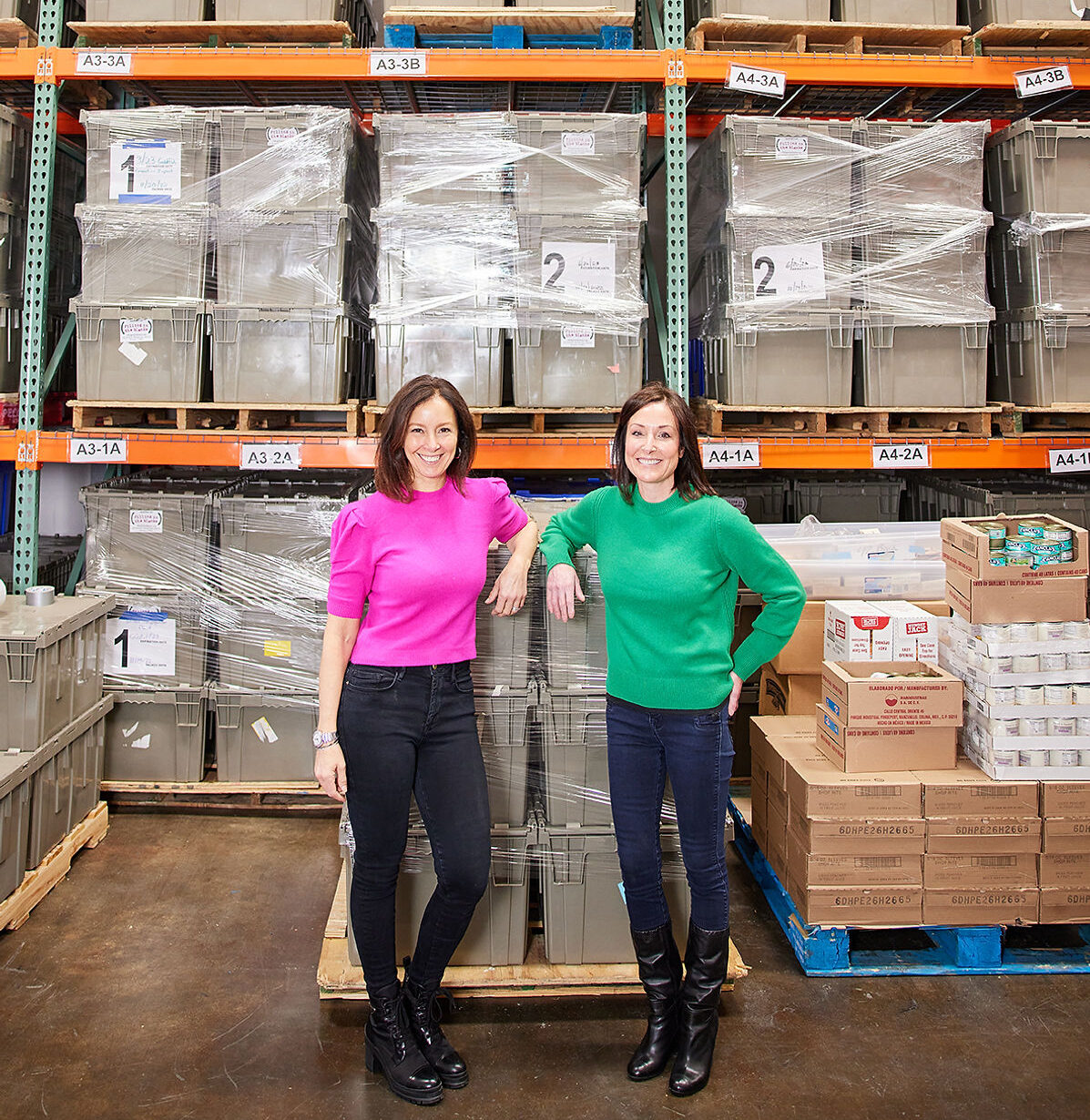
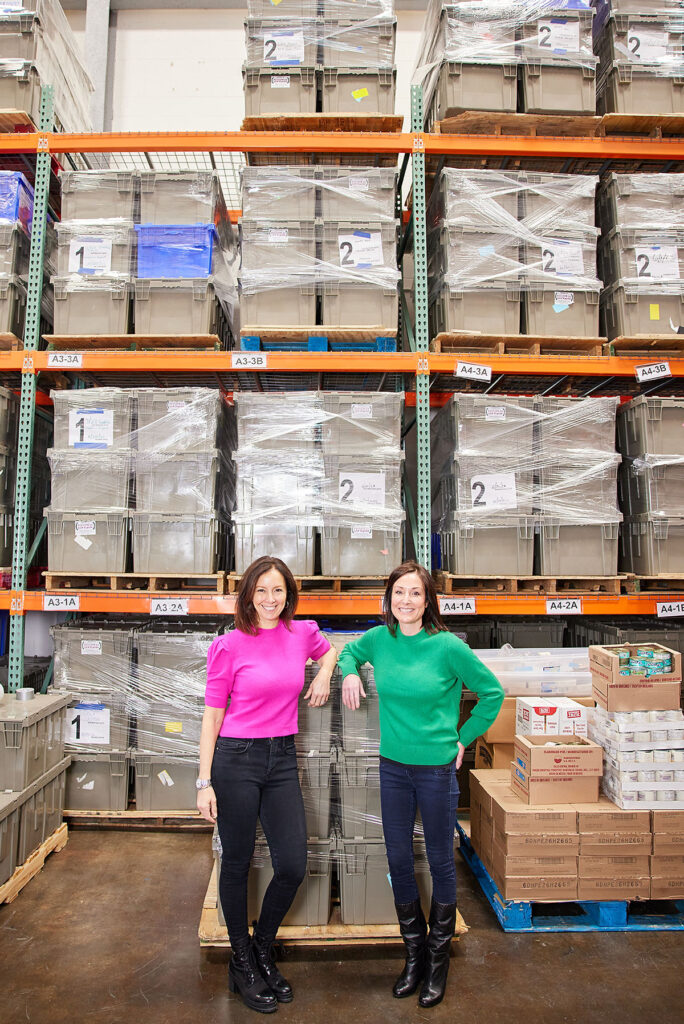
    Filling in the Blanks continues to grow by leaps and bounds, and nothing exemplifies this more than a massively expanded warehouse. Previously occupying about 2,500 square feet, this spring more than doubled to 7,500—quite a ways from the organizations’ humble beginnings operating out of a living room.

    This expansion has huge implications for Filling in the Blanks’s capacity and impact, as it’s expected to double the number of students served. Volunteers can also look forward to a new, dedicated check-in space.

    Coinciding with the expanded warehouse, Filling in the Blanks has also just opened its first two in-school food pantries. Having observed barriers to high school students’ participation in food programs, the pantries are designed to provide a more appealing option, enabling older students with greater independence and choice. Two more pantries are slated to open soon, with hopes of expanding more broadly in the future.

    Reflecting on this transformative new solution and exponential growth, co-founders Shawnee Knight and Tina Kramer expressed gratitude to be able to serve the community while acknowledging the frustrating persistence of childhood hunger:

    “We never thought Filling in the Blanks would grow to this size in the span of ten years. We’re grateful to all the volunteers and supporters who have played such a huge role in getting us here. It is, however, heartbreaking to know that there are still thousands of children that go without food on the weekends.”

  • When free meals are available to all students

    When free meals are available to all students
    ree

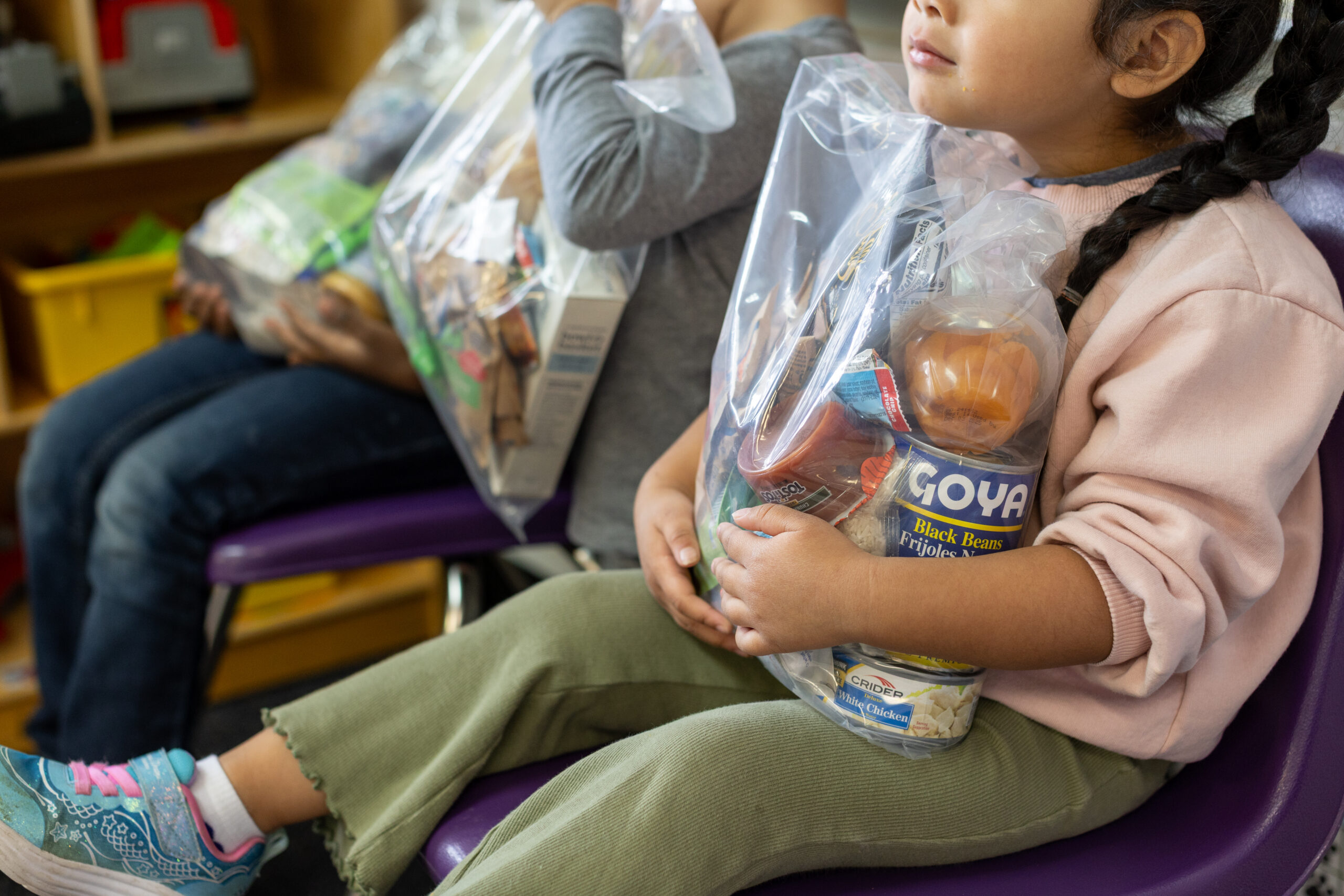
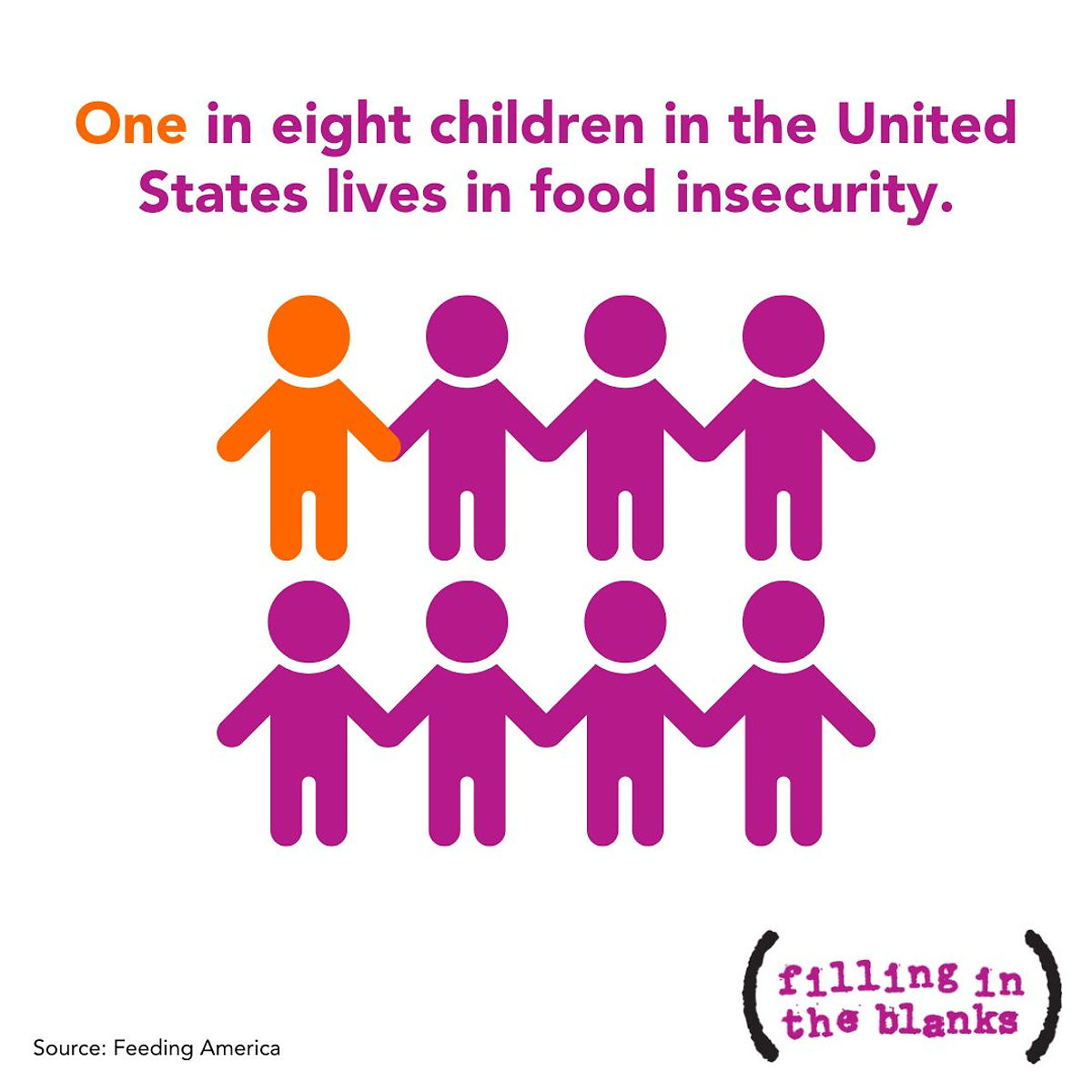
    One in eight children in the United States lives in food insecurity, meaning they lack consistent access to meals. Their families’ economic situations often force tough decisions—purchasing enough groceries could mean falling behind on rent. These are kids for whom school might be their one reliable source of food.

    With such a large proportion of children in need of food assistance, more and more communities have experimented with universal free lunch programs, making school meals available to all students regardless of family income. The Federal response to Covid-19 actually made universal free lunch available across the country, however, its funding ended earlier this school year. Some states, including Connecticut, have found ways to maintain these programs.

    Currently, Connecticut has extended free school meals through the end of this academic year. It’s unclear what steps may be taken to extend the program further, but what is clear are the continued benefits it could provide.

    When lunch is free for everyone, more kids eat

    Advocates of universal free lunch cite numerous benefits including and related to reduced stigma—which is in and of itself a psychological benefit to children. Most notably, however, removing the stigma associated with free or reduced priced meals removes one of the biggest barriers to participation for those most in need. A study conducted in New York City just prior to adoption of its universal lunch program found significantly higher participation in meal programs at schools that made no distinction among who qualifies versus those still using needs-based criteria. This difference was measurably significant across all grades, but particularly higher for middle and high school students, where participation increased by 20 and 15 points respectively.

    Reduced hunger enhances learning

    We know intuitively that students who come to school prepared to learn—including being well fed—do better. And scientific research backs this up. A study by the Maxwell School at Syracuse University found that students in schools with meals for all fared better on tests than their peers in schools without a universal meal program. But gaps still remain Our weekend meals program is premised on the fact that as much as school meal programs are a critical benefit, gaps persist at home. Families on the margins are facing the same increased food costs as everyone else just as the Federal Supplemental Nutrition Assistance Program (SNAP) scales back support in the wake of Covid-19. For Connecticut families stretched thin and struggling to put food on the table, we’re filling in the blanks. Consider donating today.

  • Harnessing our instincts to give back and help others

    Harnessing our instincts to give back and help others

    While our passionate volunteers keep the wheels turning, our small yet mighty Filling in the Blanks team keeps it all on track. We’re thrilled to welcome several new additions who are

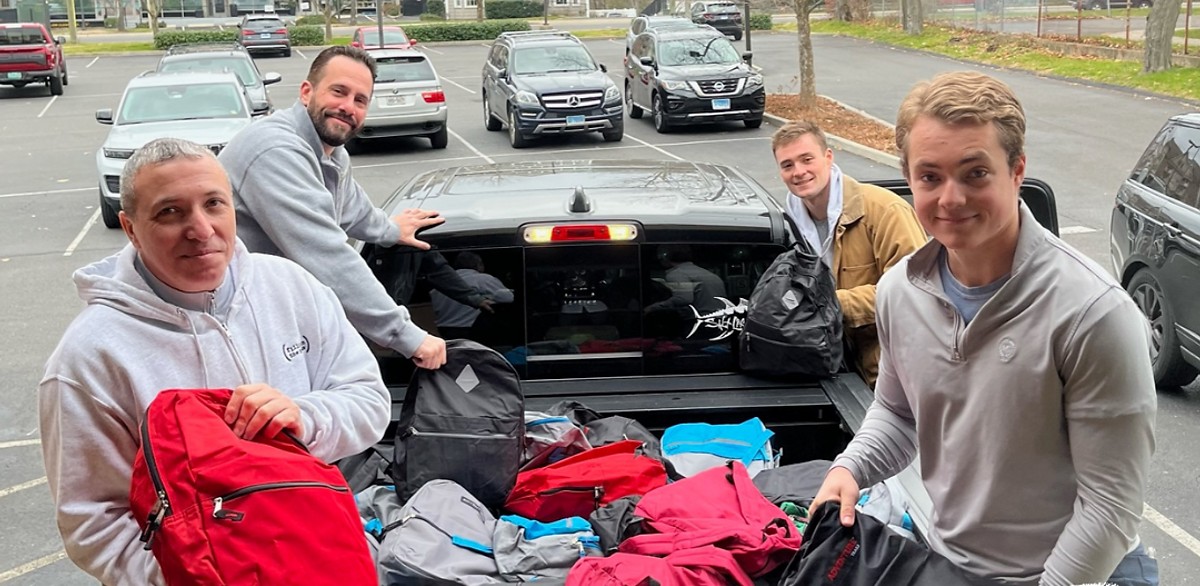
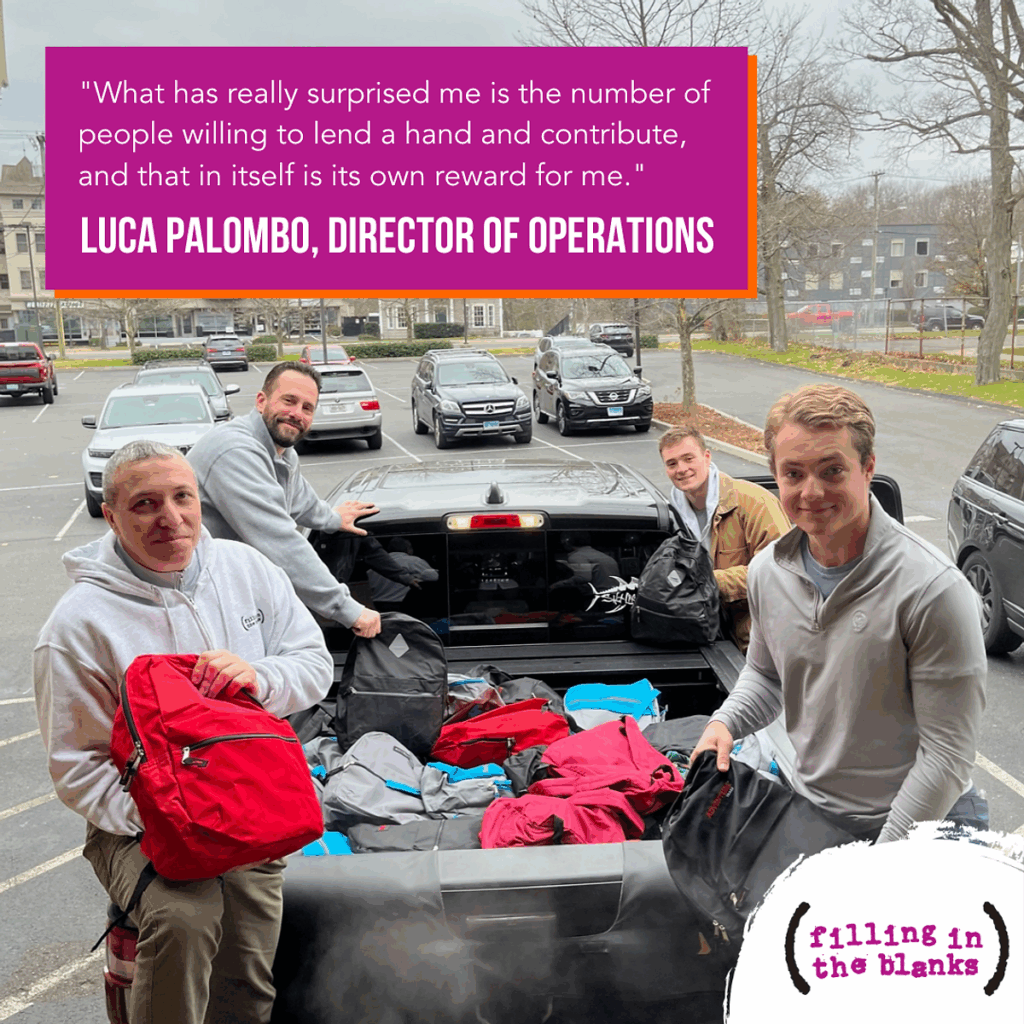
    helping drive our work forward and expand capacity to keep Connecticut families healthy and fed. Help us welcome and get to know Luca Palombo as he steps into the role of Director of Operations, and Ryan Hanahran who joins us as Development Research Analyst. As we sat down to chat about what brought them to Filling in the Blanks, the theme that emerged was one of tapping into not only their own instincts to give back, but finding inspiration from our many volunteers doing the same.

    What are you most looking forward to as a Filling in the Blanks team member?

    Luca: The ability to directly impact the lives of children who at times may feel short-changed by having less than their classmates. The food and snacks that we’re able to provide give them some sense of normalcy and belonging, even if it’s just a bottle of Fairlife [milk] or a Gogo squeeze. I hope that the bags that we provide are more than just nourishment for the body but also a security blanket for both the children and the parents in these uncertain times. Ryan: I am looking forward to this year and growing with Filling in the Blanks. Our mission of ending hunger and changing children’s lives in the local area inspires me to be my best everyday at work.

    What inspired you to join the team?

    Luca: I can personally relate to the less than ideal situations that some children may be in, through no fault of their own, and I wanted to be an instrument of change if at all possible.

    Ryan: I have always believed that helping others is something that is innate to my being. Filling in the Blanks provides me with that opportunity and the ability to practice what I enjoy doing daily. This team is a hardworking group that will not stop until every kid in our area is no longer hungry and that is the type of driven people I enjoy being around.

    What’s something unexpected that you learned since joining the team?

    Luca: Even giving something away has its own unique set of challenges that my previous skills and experience in business did not fully prepare me for. What has really surprised me is the number of people willing to lend a hand and contribute, and that in itself is its own reward for me.

    Ryan: Although Fairfield County is an affluent area, there are so many children that are still going hungry—1 out of every 6 children. Filling in the Blanks plays a critical role in our community, and its need is only increasing today.

    Are you ready to give back?

    Together we can make a real difference for children experiencing hunger in Connecticut. Visit fillingintheblanks.org/waysyoucanhelp to get involved today.

  • 5 ways to fight hunger this holiday season

    5 ways to fight hunger this holiday season

    At Filling in the Blanks, we’re Feeding the Next Generation – and our help is needed now more than ever. GOBankingRates recently reported that child hunger spiked 25 percent between January and July of 2022 after child tax credits were repealed. That means for thousands of local families, a destructive pandemic has led straight into another crisis.

    Now that the holidays are here, you may be thinking, how can I make a difference? Here are five steps you can take to fight child hunger:

    1. Volunteer with a local hunger organization

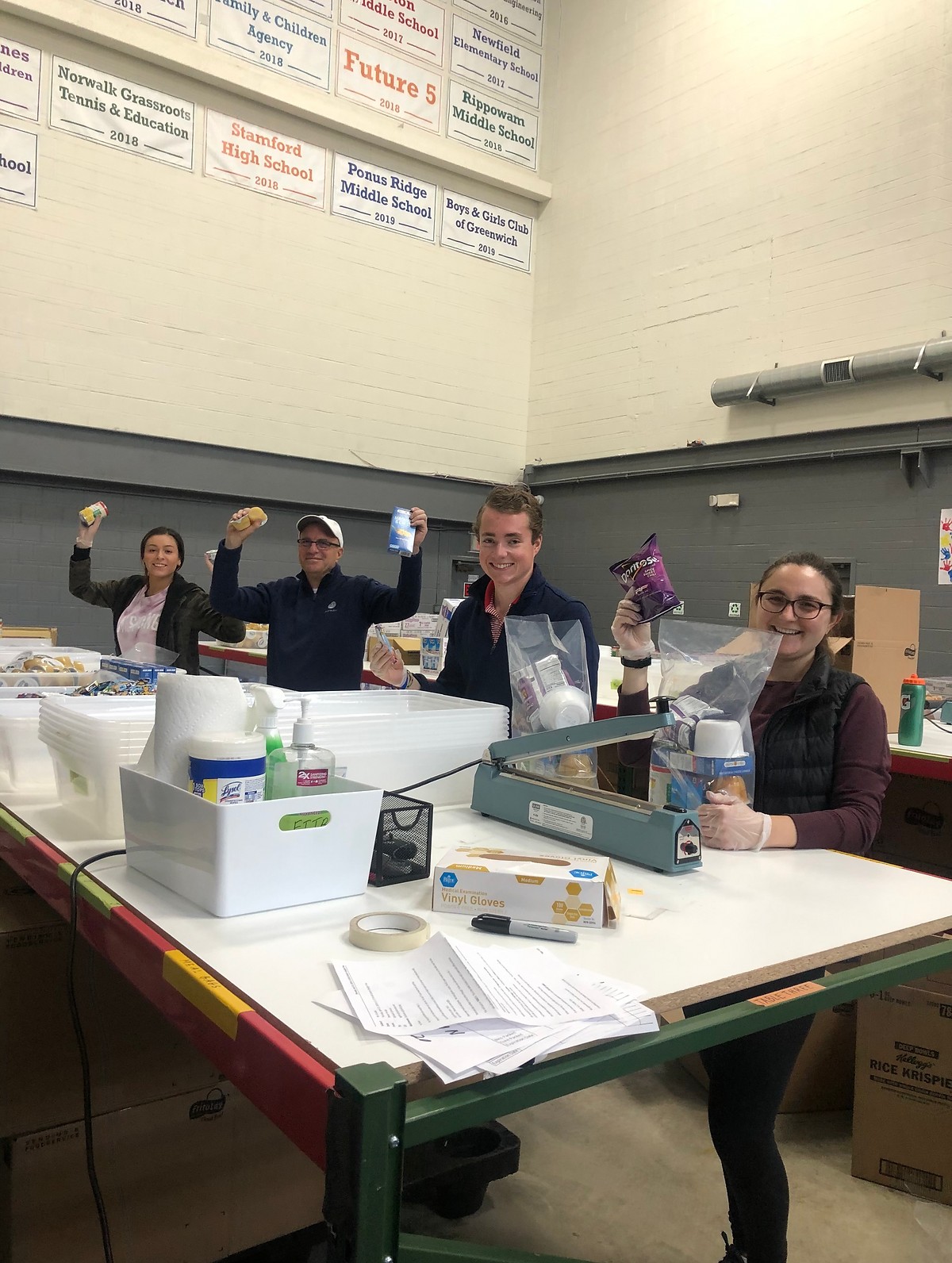
    Groups like FITB need your help! Every one of the 130,149 meal bags we’ve sent to children across Connecticut and Lower Westchester this year was hand-packed. That’s a lot of hands, and we need your support. Donate as little or as much time as you can – we’re all just happy to have you! Want to volunteer at FITB? Click here.

    2. Shop through Amazon Smile

    Most of us will do some holiday shopping online, which means many of us will be doing so through Amazon. When you shop through Amazon Smile, a portion of your purchase can help us fill Weekend Meal Bags with promo code FITB!

    3. Be active on social media

    The more people who know about our mission, the better, and the same is true across the non-profit community! You can help raise awareness for our work in fighting local childhood hunger by sharing our community call to action on Facebook.

    4. Contact local officials to see how you can help

    Are there events in your town aimed at helping fight against food insecurity? Your local elected officials will know if and where these are, along with any potential legislative solutions that are in the pipeline. If you know what’s happening, you can help!

    5. Donate today!

    We rely entirely on your generosity to feed the next generation. Anything you are able to give helps us in our mission to end the weekend meal gap in our area, allowing children and families to live their best lives. Give today.

    From the bottom of our hearts, have a happy, healthy finish to the year, and we can’t wait to see you in 2023!

  • Feeding the Next Generation

    Feeding the Next Generation

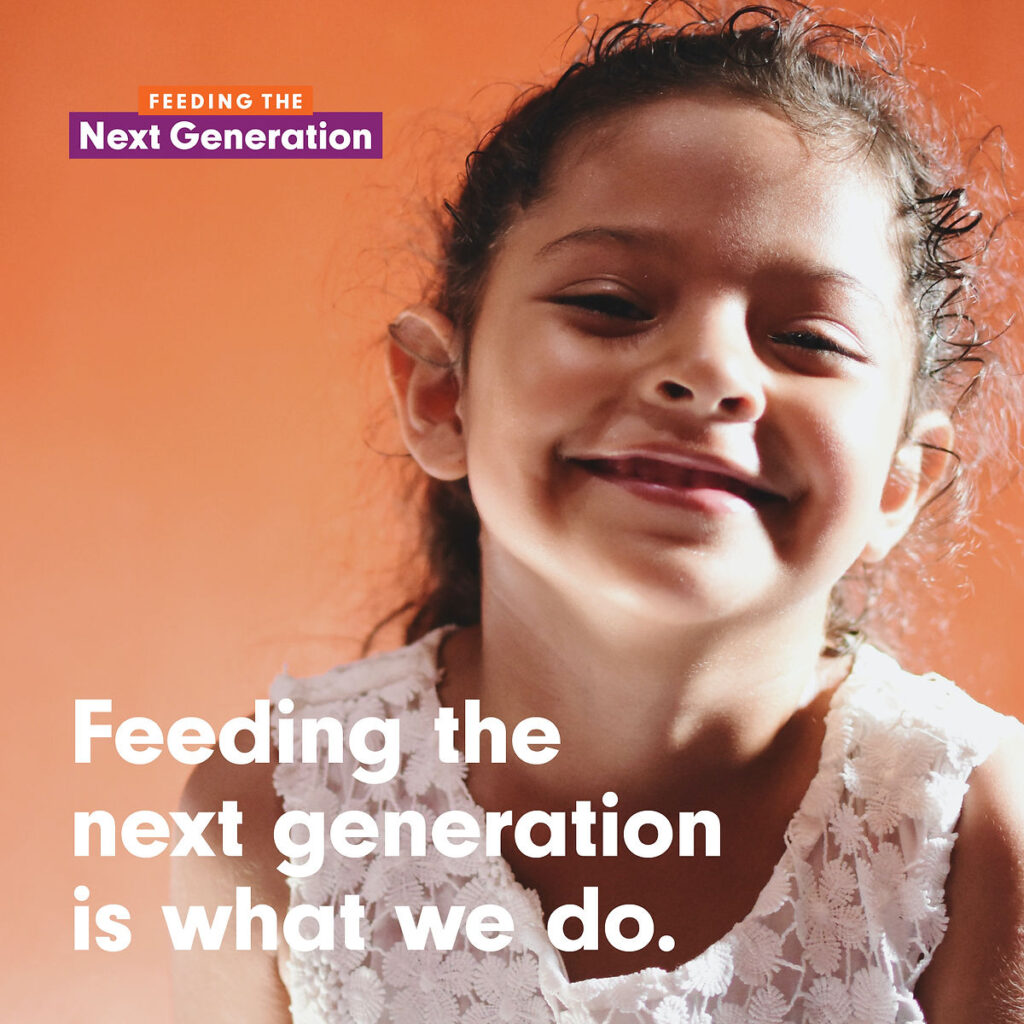
    Feeding the next generation is what we do

    We started Filling in the Blanks in 2013 to ensure that children who relied on school lunches didn’t go hungry on weekends. Now, families struggling to make ends meet face an even bigger problem. As pandemic-era school lunch vouchers expire, NBC News reports that children across the country are skipping meals to save money.

    This is a major problem, and that’s why Filling in the Blanks is committed to feeding the next generation. It is bad enough that so many of our local families struggle to put food on the table on weekends. It’s 💔 💔 to think about children going hungry during school, as hunger affects their concentration and development and leads to worse outcomes for them, their families and our community.

    When you’re out and about this holiday season, look around you. You’ll see happy families, especially kids, enjoying the most wonderful time of the year… but not all of them.

    One in 8. That’s the number of children in Connecticut who go to bed hungry, per statistics from Feeding America. Nearly 100,000 kids in our state don’t get enough to eat, and with inflation at its highest rate in 40 years, food insecurity is worse in 2022 than it has been in years.

    But you can help!

    We need your help to meet our holiday goal of filling 10,000 weekend meal bags. It sounds simple, but your donations help us provide far more than “just” a meal bag: When children don’t feel food-insecure, it starts a virtuous circle that helps the entire community in both the short and long terms. When the next generation is well-fed and happy, we all win.

    The good news is that it works! It’s not just common sense: It’s dollars and sense. Study after study has shown that the economic value of helping kids stay well-fed pays off for everyone.

    That’s where you come in. You can donate or volunteer (or both!!) or even just help us spread the word. As we reflect on what’s important this time of year, consider working with Filling in the Blanks to help create a stronger and healthier community! 💛💜

    Will you help us make a difference? Visit www.fillingintheblanks.org/give to donate today!