• Our solutions to hunger may be simple, but it takes a community, so we making volunteering simple too.

    Our solutions to hunger may be simple, but it takes a community, so we making volunteering simple too.

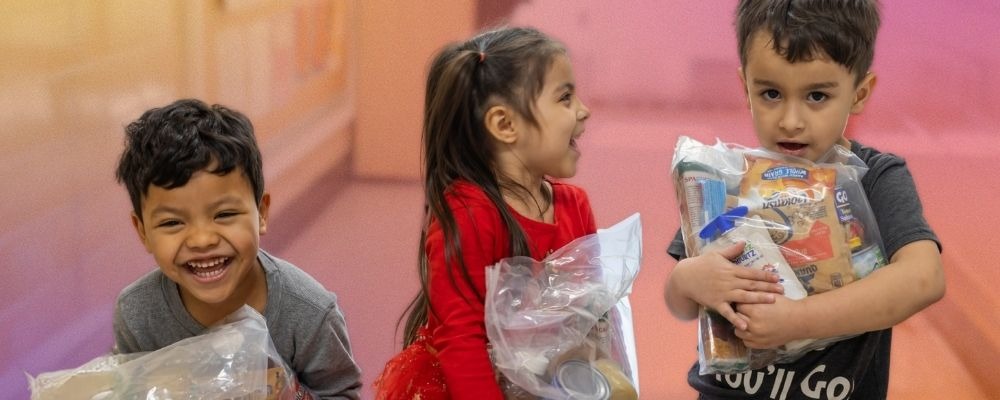
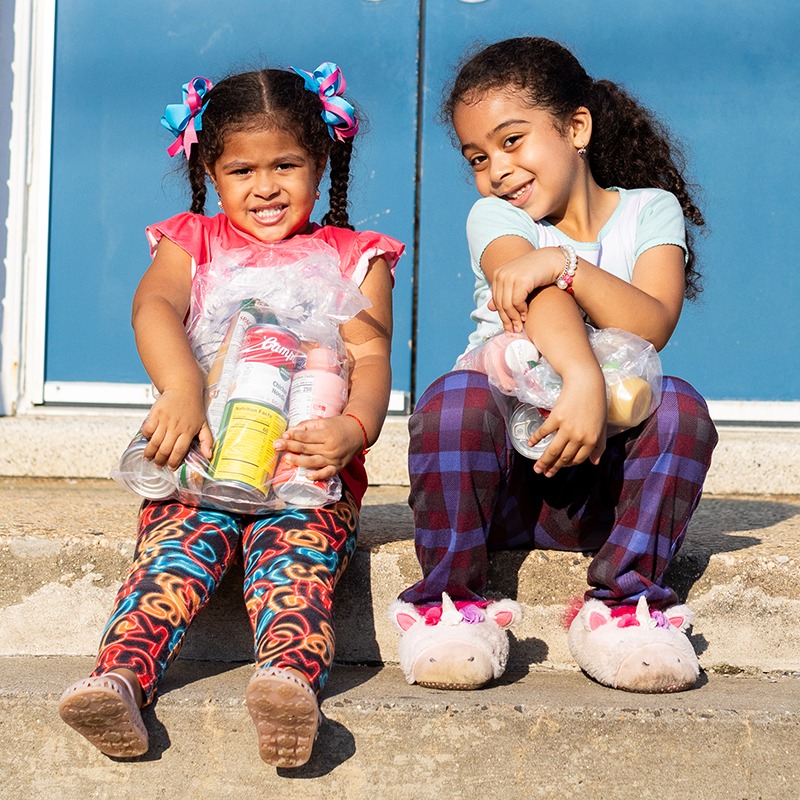
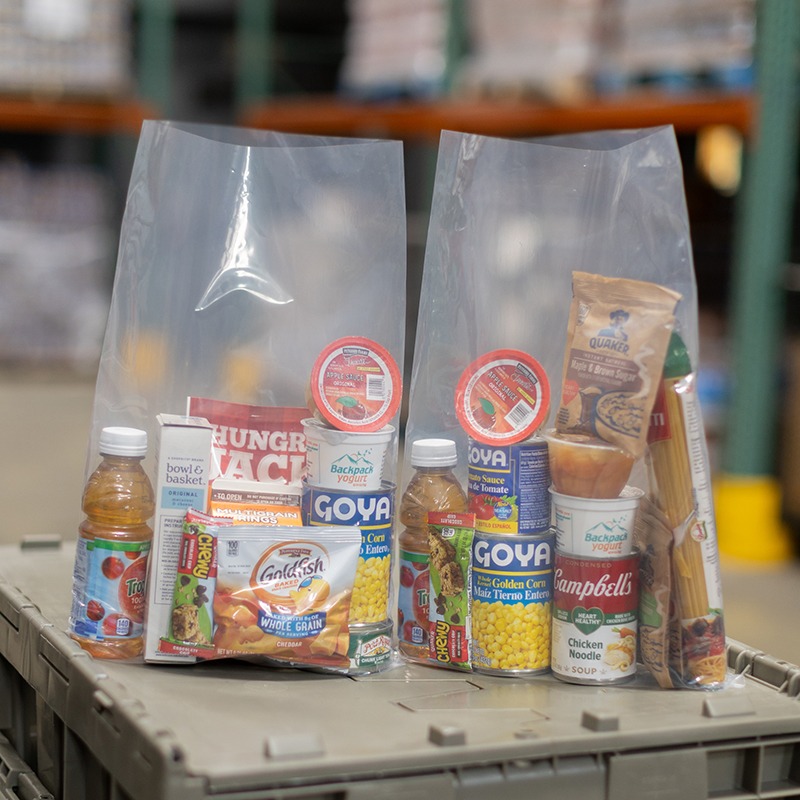
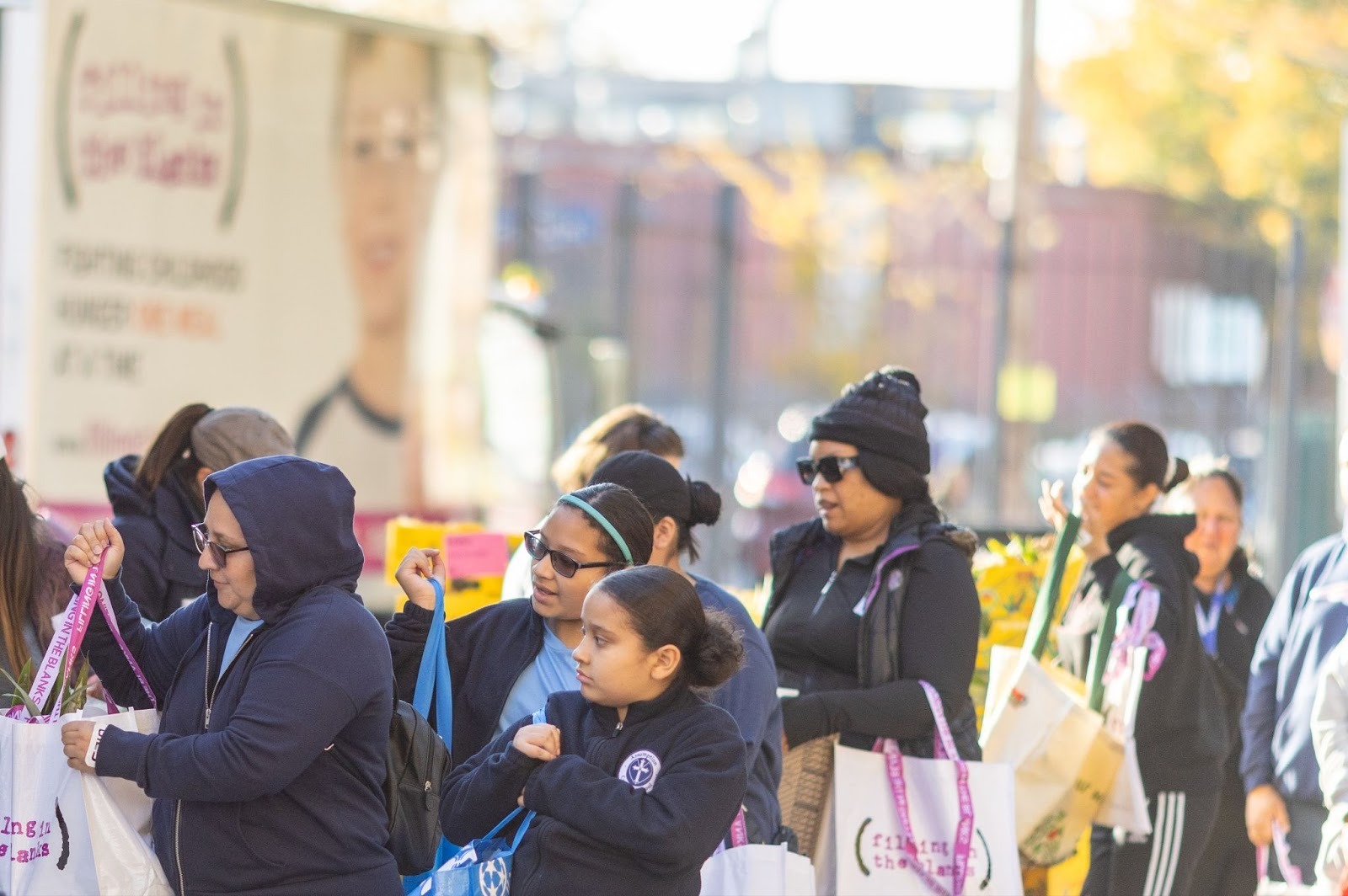
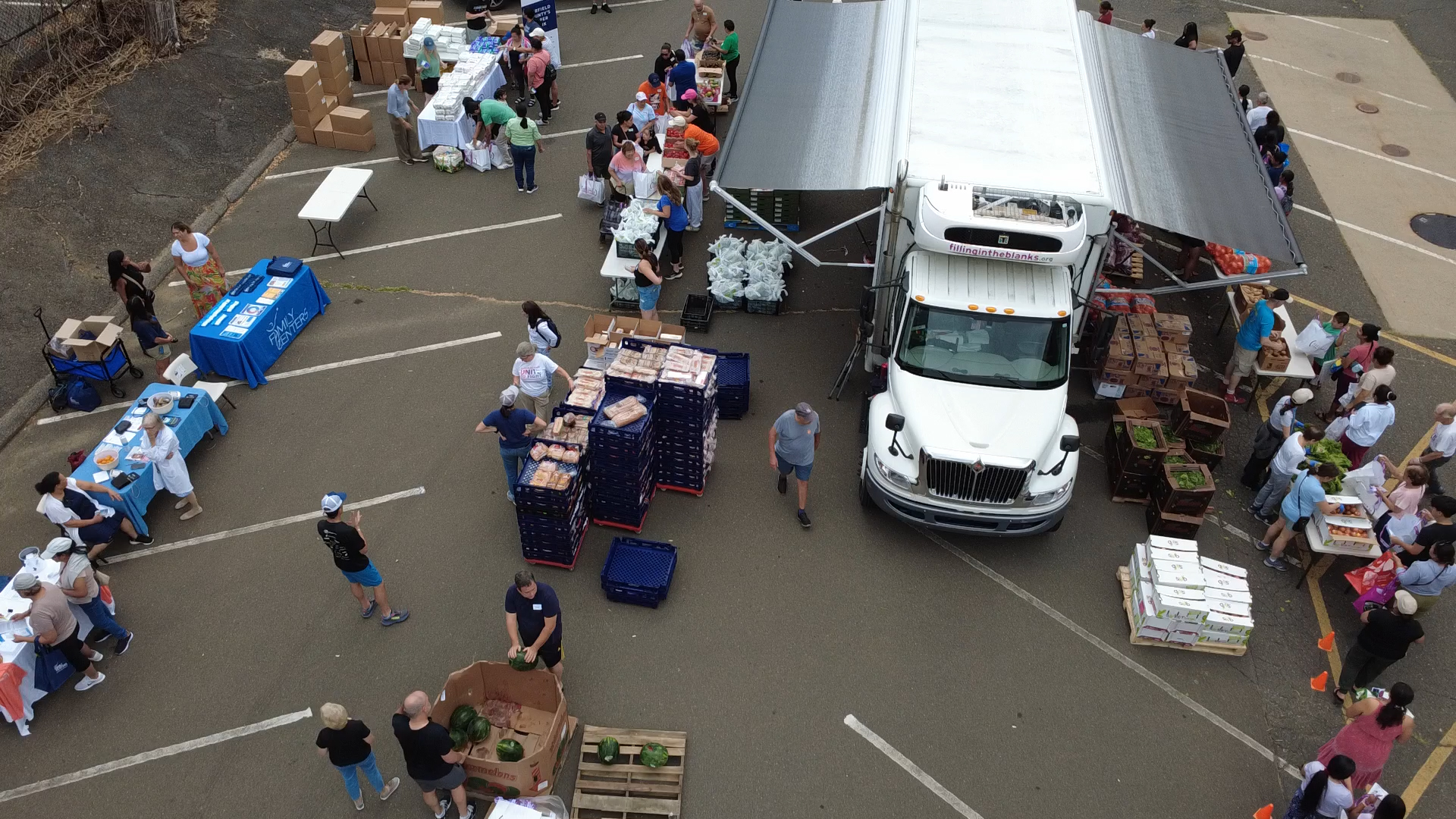
    Our solutions to food insecurity are simple: we fill critical hunger gaps in New York and Connecticut by sending students home each Friday with kid-and nutritionist-approved snacks and pantry staples, along with bringing our mobile pantry full of fresh food to the neighborhoods that need it most.

    Families facing hardship don’t need extra hurdles placed in their way. Our solutions are designed to meet people where they are. They may be simple, but it takes a community.

    Our meal and pantry programs run on approximately 300 volunteer hours per week! 

    And because it’s a big ask, we make volunteering simple too. We are beyond grateful for the amazing groups and individuals who have made helping others a part of their lives; we welcome you to become a part of it! As long as you’re 14 or older (sorry kiddos), there’s a role for everyone.

    Corporate volunteering
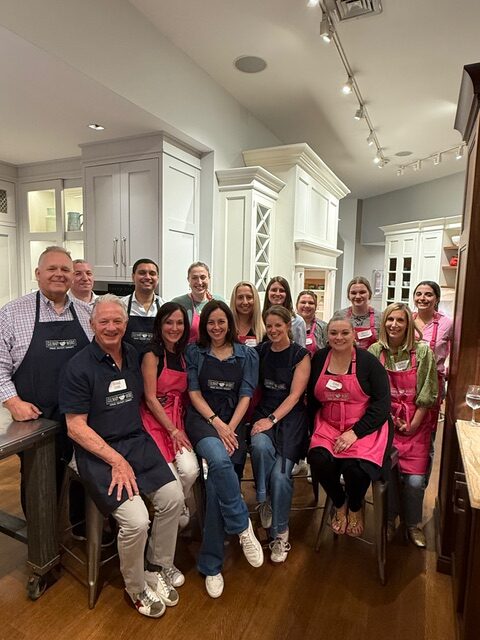
    We’ve never met a corporate group that didn’t have an absolute blast in the warehouse with us! Can’t make it to the warehouse? We can bring volunteering to you. Engage employees in a team-building activity that everyone can feel good about, and discover for yourself why so many employers come back again and again.
    Contact us to reserve a date!
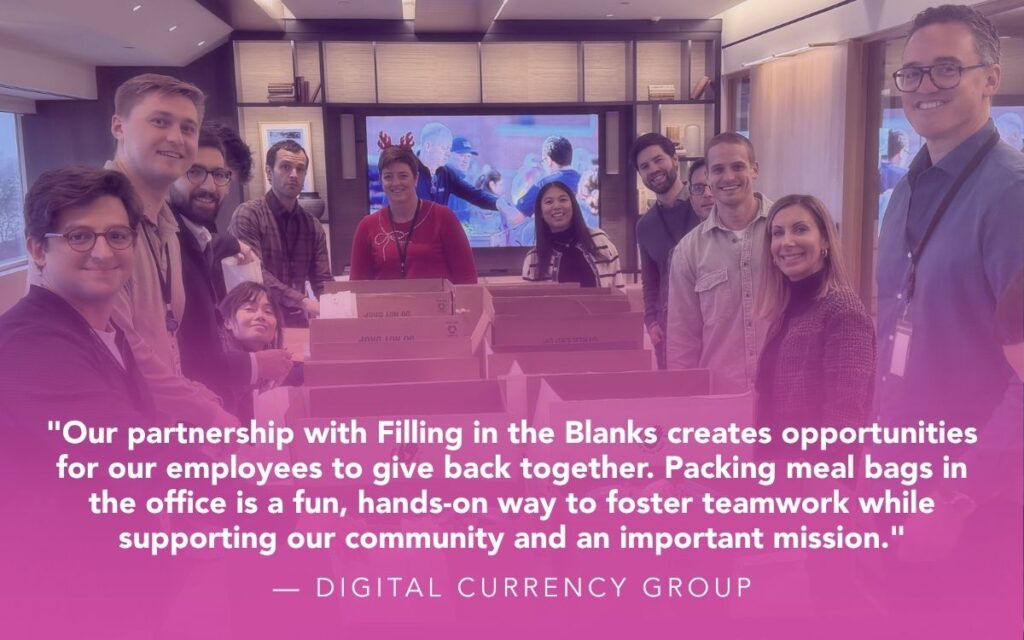
    Packing meal bags
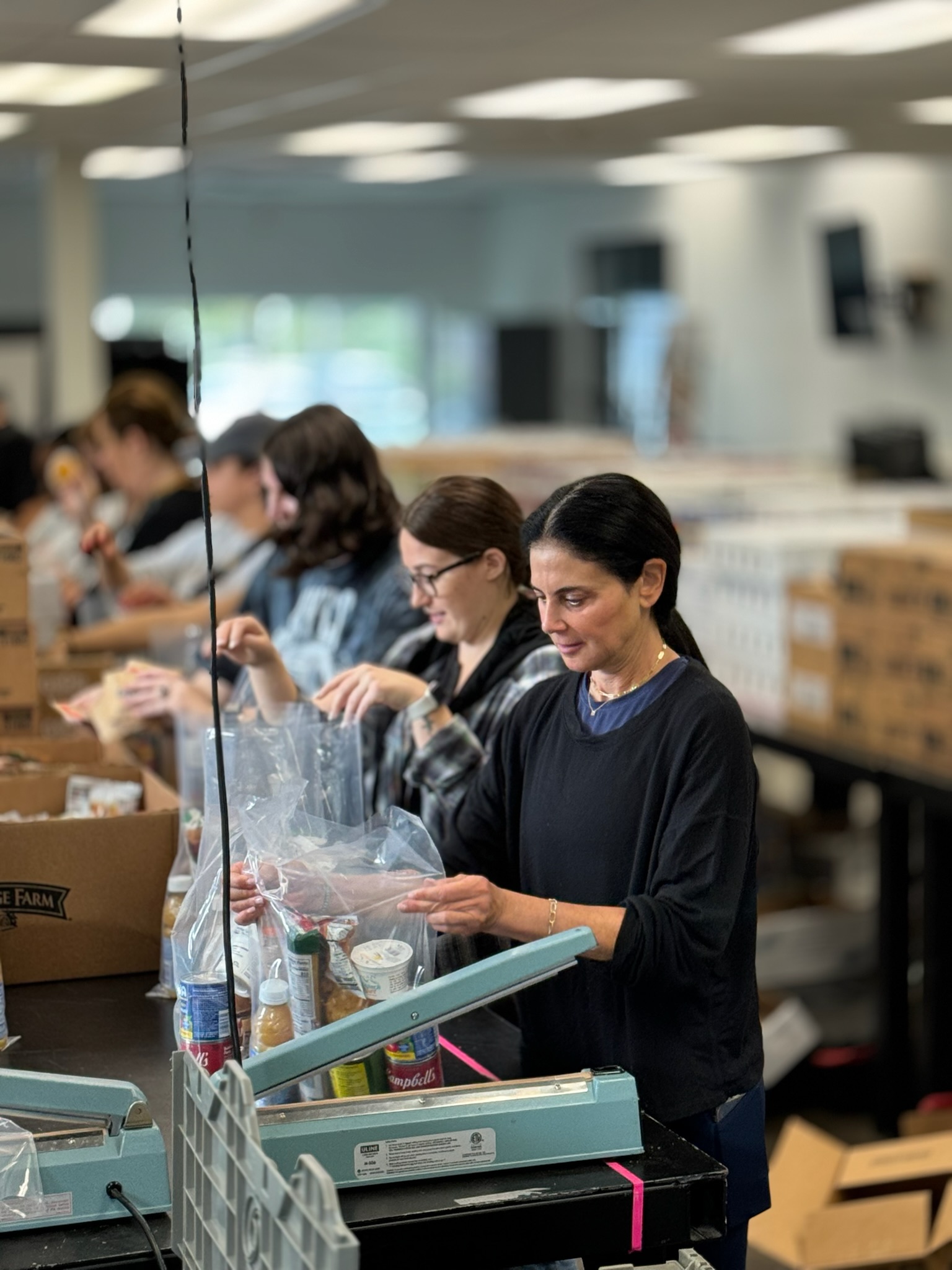
    Many hands make light work when there are 10,000 meal bags to assemble and deliver each week. We’ve got it down to a science! Packing events are approximately 2 hours long and take place in the warehouse on Tuesday, Thursday, and Saturday. Everything is already set up when you arrive to make the best use of volunteers’ time. Warehouse staff and volunteer leaders provide direction, we pump the jams, and once the assembly line gets going, you’ll be amazed at how much you and your friends (and by the end of the shift, everyone is friends) are accomplishing!

    Mobile pantry assistance
    Mobile pantry volunteers play a hands-on role in setting up, distributing food, and engaging directly with families and community members. For those who enjoy being active and working with others, these events offer an especially rewarding opportunity. Note that mobile pantry volunteers must be at least 16 years old, and these events take place outdoors. Email jbadalamenti@fillingintheblanks.org for more information.


  • Meet the Filling in the Blanks 2026 Half Marathon Team

    Meet the Filling in the Blanks 2026 Half Marathon Team

    Filling in the Blanks is proud to be an official charity partner of the 2026 United Airlines NYC Half. This is our second year fielding a team of runners committed to closing the hunger gap for local children and their families. 

    Each team member has set an ambitious goal for supporting our work. Get to know these enthusiastic runners, and join us in cheering them on every step of the way. 

    Samantha Blend

    Samantha began volunteering at Filling in the Blanks through her employer, Silver Golub & Teitell LLP, a longtime partner. As she’s learned more about our programs and the families impacted, Samantha’s support has only grown. “It was an easy decision to take my support to the next level.”

    She’s looking forward to returning to the streets of NYC after having run the marathon in 2024. “The energy that NYC brings to races is unbeatable. It can renew your faith in humanity to see how the city comes out to support and cheer on runners. Running it on behalf of an organization I really believe in makes it even more exciting.”

    Krystyna Gancoss

    We also have Silver, Golub & Teitell to thank for Krystyna, an inaugural member of our recently formed Associate Board.

    “I’m excited to combine my love of running with the chance to further support Filling in the Blanks. And of course, I’m looking forward to the incredible race day energy on such an iconic course!”

    Robin Johnson

    This will be Robin’s third NYC Half! “I chose to run on behalf of Filling in the Blanks because of the powerful work they do to fight childhood food insecurity. Running for a cause that directly supports children in need gives purpose to every mile and makes this experience more meaningful.”

    Jen Moran

    Special shout-out to Filling in the Blanks Special Events Coordinator and Development Assistant, Jen!

    “I am so excited for the energy and excitement race day will bring! This is my first major race, and I am excited for it to be in NYC! Running through the city has always been a dream of mine, and I am excited to be able to experience that feeling and reach this goal (and run over the Brooklyn Bridge)!”

    Sarah “SJ” Russell

    Sarah is an avid runner. She’s completed over a dozen marathons and many more half marathons, but the NYC Half was still on her bucket list.

    Sarah chose to support Filling in the Blanks after witnessing the real, tangible, and measurable help we provide to local children. “I want to help bring more awareness to Filling in the Blanks so that it can continue to grow and help more communities throughout Connecticut and beyond.”

    Kaitlyn Shouvlin

    Kaitlyn is looking forward to officially checking a half-marathon off of her bucket list and showing her kids how important it is to have dreams and chase them! And she is PUMPED to be doing it on behalf of Filling in the Blanks.

    “I couldn’t say yes fast enough. Filling in the Blanks is such an incredible organization, and this was an opportunity to increase support financially and bring more awareness to them.”

  • How are changes to SNAP benefits impacting families’ access to needed nutrition assistance?

    How are changes to SNAP benefits impacting families’ access to needed nutrition assistance?

    The disruptions to SNAP benefits this past fall brought the daily challenge of food insecurity into sharp relief for many Americans. The issue of SNAP has receded from the headlines, but last summer’s federal reconciliation act (H.R. 1) included numerous policy changes that have only recently taken effect.

    Over the next decade, SNAP funding is set to be reduced by $186 billion; 22.3 million families will likely lose some or all of their benefits. 

    Numbers only tell us so much; understanding the details and real-life implications of these changes takes work. We’re grateful to the experts at Hunter College New York City Food Policy Center who break down the key changes families can expect. The following information reflects their interpretation of key provisions of H.R. 1.

    Will immigration status affect benefits?

    The law significantly restricts eligibility for legally present non-citizens.

    Non-citizens who lost SNAP eligibility

    For decades, federal law specifically allowed legal refugees and asylum-seekers access to SNAP; H.R. 1 removed this provision entirely.

    Other groups no longer eligible:

    • Trafficking victims previously certified by Health and Human Services
    • Those granted “withholding of removal”  status (protection from deportation to dangerous countries for those who don’t technically meet the refugee or asylum definition)
    • Iraqi or Afghan special immigrant visa holders who worked with U.S. forces or agencies
    • Temporary Protected Status holders from countries including El Salvador, Honduras, and Venezuela
    • Humanitarian parolees (except for Cuban and Haitian entrants specifically)


    Non-citizens who can still receive SNAP

    • Lawful permanent residents (green card holders), but they typically need to wait five years after getting a green card, unless under 18, disabled, blind, or have military connections.
    • Those who originally entered the U.S. as a refugee or were granted asylum, but have since adjusted their status to become a lawful permanent resident.
    • Cuban or Haitian entrants through humanitarian parole programs, and citizens of Palau, Micronesia, or the Marshall Islands, who are in the U.S. under Compact of Free Association Agreements. 

    Who is subject to work requirements?

    The new law significantly expands who is subject to SNAP’s time-limited work requirements for Able-Bodied Adults Without Dependents (ABAWD), including groups that were previously exempt. 

    The new law makes three major changes to ABAWD work requirements: 

    • The age limit has been increased from 54 to 64. If you’re in your late fifties or early sixties, these rules now apply to you. 
    • The definition of “dependent child” has changed from under 18 to under 14. If someone’s youngest child is 14 or older, they now face the same 80-hour monthly requirement as someone without kids.
    • Previously, states had the flexibility to waive the three-month time limit in areas where unemployment was high or jobs were hard to find. Under the new law, states can do this only in areas where the unemployment rate exceeds 10 percent, a level that’s rarely reached, even in areas with limited job openings.

    Will changes to utility allowances reduce benefits?

    In many cases, yes. SNAP calculates benefits based partly on housing and utility costs. Higher costs have historically meant higher benefits, since it leaves less money left for food. The new law changes the way SNAP calculates these costs.

    If nobody in a household is age 60+ or has a disability, benefits may shrink.

    Under the old rules, receiving heating or cooling assistance from a federal program such as the Low-Income Home Energy Assistance Program (LIHEAP) automatically qualified for a substantial standard deduction. Now, to claim utility costs, individuals will need to provide copies of their bills, and SNAP will only count what they actually spend, which may be less than the old standard. If utilities are included in one’s rent, they likely won’t be able to be claimed.


    How do these changes impact our local community?

    Based on what we’re seeing, the most direct impact is a continued increase in the need for programs like ours. Families on the margins are being pushed even further aside. Filling in the Blanks programs—from our Weekend Meal Bags to Fresh Food on the Move—are designed to shrink the margins, fill in critical gaps, impart dignity, and help children and their families thrive.

    If this sounds like something you’d like to be a part of, we’d love to have you! Learn how to get involved today.

  • How volunteering honors the legacy of Dr. Martin Luther King

    How volunteering honors the legacy of Dr. Martin Luther King

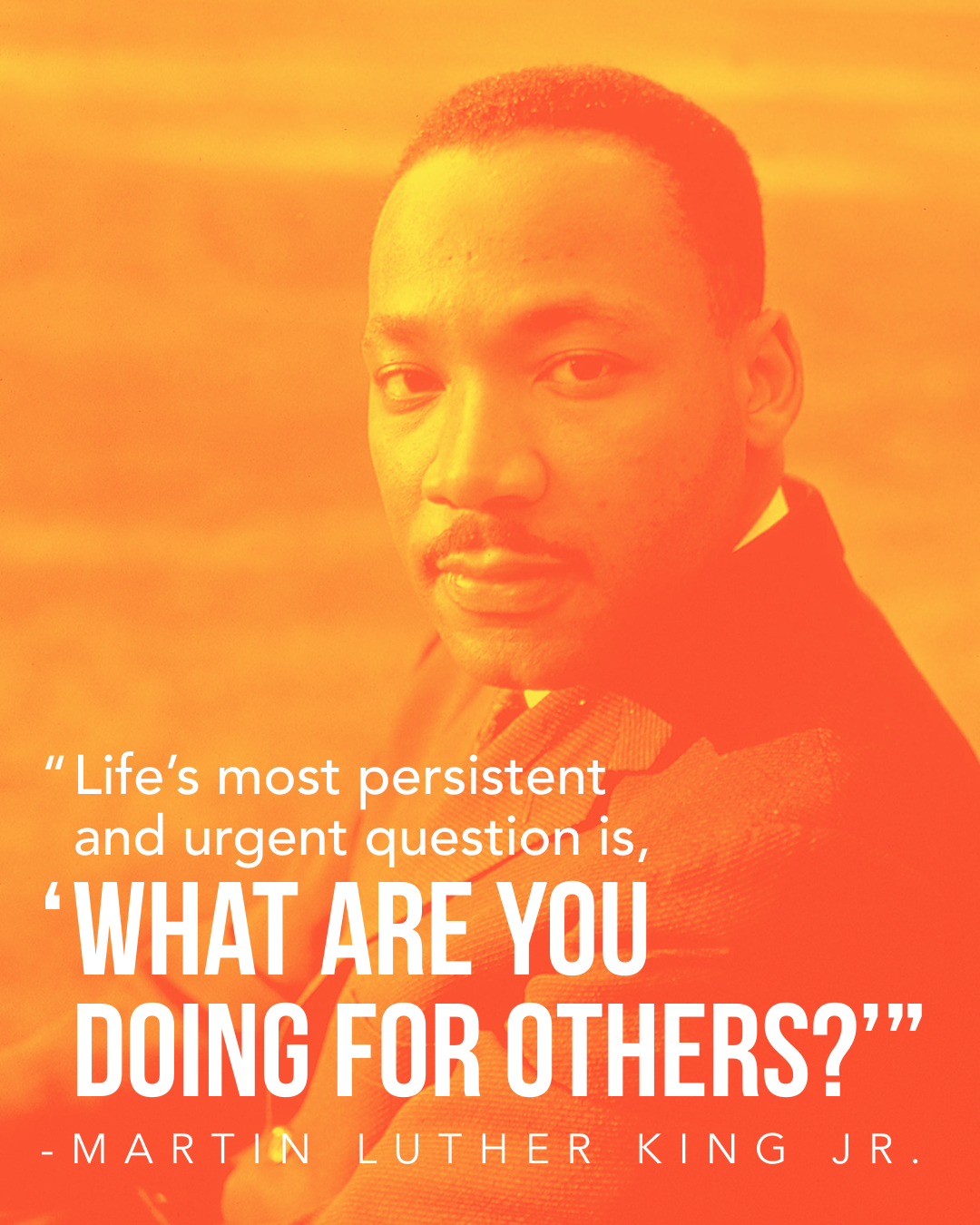
    Dr. Martin Luther King Jr. reminded us that “life’s most persistent and urgent question is: What are you doing for others?” It is in this spirit that the annual MLK Holiday is recognized as America’s National Day of Service. It calls on us to not only honor Dr. King’s legacy but to live it through acts of service. 

    Dr. King spoke often about the interconnectedness of humanity, and fighting hunger is a direct expression of that belief. When we ensure that all members of our community have enough to eat, we affirm their basic dignity—a small but meaningful step toward the “beloved community” Dr. King envisioned.

    Hunger is here—whether you see it or not

    Hunger isn’t something that happens “somewhere else.” It’s here in our own Connecticut and New York communities and neighborhoods. Families are choosing between groceries and rent, and children are arriving at school hungry, making it harder to learn and thrive.

    We are on the front lines of this challenge every day, but our operations rely heavily on volunteer support. It’s thanks to hundreds of volunteer hours that we’re able to deliver over 10,000 Weekend Meal Bags each week, and distribute thousands of pounds of fresh food at our mobile pantries.  Because the volunteer spirit runs strong in this community, we continue to deliver for our neighbors in need.

    What volunteering with Filling in the Blanks looks like

    Volunteering with Filling in the Blanks is fun and easy! From teen ambassadors to corporate volunteer groups and just about everything in between, there are roles for everyone. 

    Packing events in the warehouse are fast-paced, high-energy, and sure to get you moving and grooving! And mobile pantry volunteers routinely rave about the opportunity for direct community engagement. 
    “Not only is volunteering fulfilling, but interacting with a community of people that come together to give their time to better others’ lives has been life-changing. I feel very fortunate to have the opportunity to volunteer with such an amazing organization that is changing the world one bag at a time!” – Lizzie Scott, Volunteer

    Explore volunteering with Filling in the Blanks >

    More than a meal: The ripple effect of service

    Volunteering doesn’t only help those being served—it strengthens our community. It builds empathy, fosters connection, and reminds us that change often begins locally. 

    And for the families and children who do receive support, they’re receiving so much more than meals and fresh food. Filling in the hunger gap provides relief, stability, and the reassurance that others care.

    Take action this MLK Day and beyond

    Consider how you might turn reflection into action. Invite a friend, bring your family, or encourage your workplace to volunteer together. Honoring Dr. King’s legacy doesn’t require grand gestures. It starts with showing up, lending a hand, and choosing service.Get started today! Register as a volunteer or contact us about corporate volunteering.

  • End of year reflections: Food insecurity doesn’t discriminate, and neither do we..

    End of year reflections: Food insecurity doesn’t discriminate, and neither do we..

    Unfortunately, it tends to only be in times of crisis that many people realize just how common food insecurity is, including within our community across New York and Connecticut. Tens of millions of Americans regularly need food assistance, including children, for circumstances beyond their control.

    Given the increased attention to SNAP benefits, it’s worth the reminder that many of the families experiencing food insecurity—over 40% of those in Connecticut and even higher in areas of New York that we serve—face the added hurdle of not even qualifying for SNAP. They remain stuck, not having the resources to buy enough food, yet exceeding program income limits. Recent federal policy and budget changes are expected to push even more families into these difficult circumstances. 

    Anywhere from a half to two-thirds of Americans live paycheck to paycheck amid a backdrop of steadily rising costs. Anything from an illness to an unexpected layoff can trigger a personal financial crisis and force difficult decisions like choosing between rent and groceries. You never know who needs help. What we do know is that we’ll keep doing everything we can to fill in the gaps, and be the difference between hungry and thriving for as many families as we can.

    It warms our hearts when we receive notes of gratitude from the community; that gratitude extends to each and every partner, donor, volunteer, and other supporter who makes Filling in the Blanks possible. 

    “The food in the bags is great, there are usually snacks that the kids really like and then things I use for dinner like pasta and beans or corn. My family uses everything in the bag.” – Parent

    “The Weekend Meal Bags have been a huge help to my family and the families of my students. My family sometimes lives from paycheck to paycheck and having children in the home who are growing and always hungry is sometimes a struggle.” – Teacher & Parent

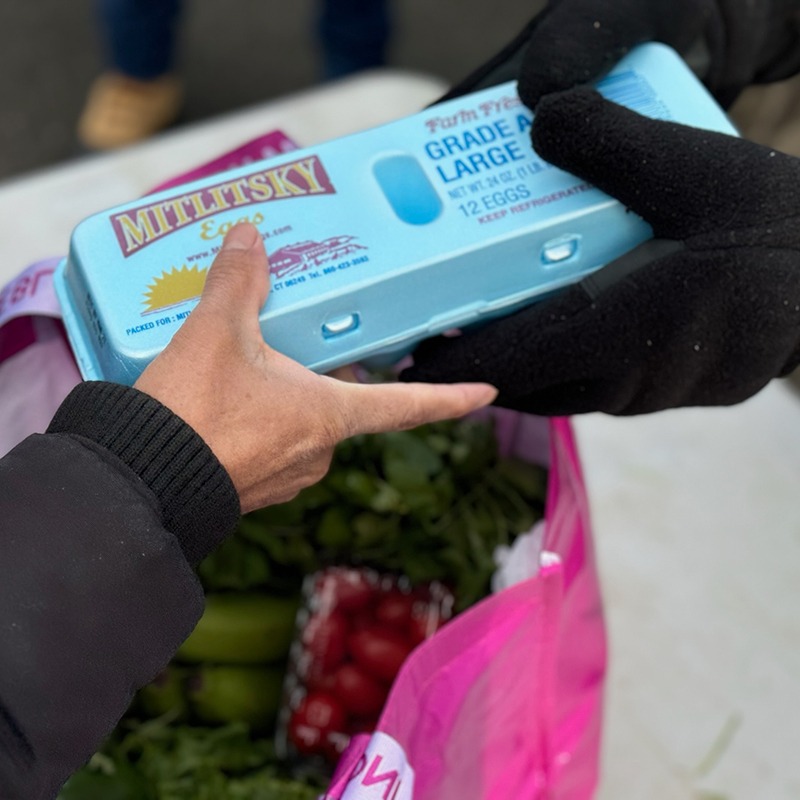
    “I just want to say you guys have really been blessing my family—the EGGS alone—it’s just so beautiful what you guys do, I thank you.” – Parent


    Thank you for being a part of our community this year. As we close the book on 2025, we have an ambitious funding target for the year ahead, but that’s what it takes to ensure we can deliver:

    • Weekend Meal Bags every Friday to over 10,000 students—nearly 1.5M total each year!
    • 30,000 pounds of fresh food 3x a month—plus connecting families with additional services with Fresh Food on the Move 

    Your support does more than simply put food on the table, it puts opportunity back on the table for tens of thousands of local kids. Can we count on your support? 

  • However you measure it, hunger is on the rise

    However you measure it, hunger is on the rise

    It wasn’t until the mid-1990s that the federal government, at the urging of anti-hunger advocates, began researching food insecurity in the U.S. For 30 years, the U.S. Department of Agriculture (USDA) has conducted large-scale surveys to understand the scope and impact of food insecurity domestically. This research has been the gold standard for diagnosing the issue and shaping solutions. 

    In late September, the current administration announced an end to the USDA’s annual Household Food Security Report. This closely followed the passage of a budget that drastically reduced spending on the Supplemental Nutrition Assistance Program (SNAP)—only to be halted entirely amid a government shutdown—and other vital food programs.

    We are on the ground fighting hunger each and every day. We don’t need big data to tell us when hunger is on the rise, but we also know that refusing to look the problem in the face won’t make it go away. 

    There are a lot of issues competing for our attention right now. So many of them are urgent and feel beyond our control. But filling in the hunger gap for a local child and their family is something real and impactful that you can do today.

    There are numerous ways to get involved, but the most immediate and direct support you can provide is to help us meet our funding target—$4.7 million—by the end of this year.

    Eighty-five cents of every dollar is spent on food—by far the largest line item in our budget. We deliver weekend meal bags to over 10,000 local children and provide 30,000 pounds of fresh food at each mobile pantry event. Our ability to continue helping neighbors in need depends on support from friends like you 

    The fight against hunger is bigger than our little corner of the country, but locally, and with your support, we’ll continue doing everything we can to fill a widening hunger gap. 

  • Filling in the Blanks Appoints Young Professionals to Support Its Mission to Fight Childhood Hunger

    Filling in the Blanks Appoints Young Professionals to Support Its Mission to Fight Childhood Hunger

    Filling in the Blanks recruited young professionals from around Connecticut to serve as members of its new Associate Board and support its growing efforts to provide weekend meals to children in need. The board members, who span the consumer products, financial, legal, nonprofit and public sectors, will help boost fundraising and community advocacy and bring new perspectives to the organization.

    “Every year, we provide more and more meals to children in our schools, and every year the need just keeps growing. Our new Associate Board is just one way that we are trying to build awareness and reach out to more potential donors,” Filling in the Blanks co-founder Shawnee Knight said.

    “Our new Associate Board members are all young leaders in their fields with full-time jobs. We are grateful to them for dedicating their time to support Filling in the Blanks and our important mission,” co-founder Tina Kramer said.

    The Associate Board is made up of seven members, who will each serve a two-year term, led by Filling in the Blanks’ Government Relations Specialist and Volunteer Coordinator Kara Bonitatibus.

    Members and Bios:

    Kara Bonitatibus (Chair of the Associate Board)is responsible for volunteer communication, outreach and training at Filling in the Blanks, as well as coordination and outreach to the public sector. She also serves as Co-President of the Rowayton Library Board of Trustees.

    Samantha DeBono is an experienced Human Resources leader with a passion for building high-performing, highly engaged workplaces that foster growth, purpose, and community.  She is currently VP, People & Talent at DCG.

    Krystyna Gancoss is an attorney at Silver Golub & Teitell, where she represents plaintiffs in class actions involving consumer protection, environmental contamination, data privacy and other matters. She is passionate about using her legal skills to advance meaningful, community-driven change.  

    Sophie Khanna is an Outreach Manager in the Bridgeport office of Congressman Jim Himes, who represents Connecticut’s 4th District. She previously worked in Sen. Blumenthal’s Hartford office as Deputy State Scheduler.

    Kristina Meyer-Jones works in the Human Resources team of a family office. She is a dynamic and dedicated professional with a passion for community engagement. Kristina previously worked at Teneo, where she held various roles, and has also worked as an Executive Assistant to Katie Couric.

    Mary Pasquale is an Administrative Assistant at Compass Diversified in Westport. She previously worked in various childcare centers, including two Head Start programs, where she developed a deep passion for supporting children and families.

    Hir Patel is a Private Banker in the Greenwich office of J.P. Morgan Private Bank, advising some of the most sophisticated clients, family offices and institutions on their wealth management needs.

    Kaitlyn Shouvlin is the Associate Director for Business Quality at The Campbell’s Company, overseeing the Salty division, which encompasses name brands such as Cape Cod Potato Chips, Late July Tortilla Chips, and Snyders of Hanover Pretzels. She is a dedicated quality and food safety leader with 11+ years of experience in the industry.

  • From our family to yours: A Filling in the Blanks recipe collection

    From our family to yours: A Filling in the Blanks recipe collection

    As an organization dedicated to feeding people, we deeply understand the ways food is more than simply nourishment—it’s love, tradition, and time spent together. Whether gathering for a holiday celebration or sharing a simple weeknight dinner, enjoying food together creates memories and strengthens bonds.

    It’s in this spirit that we’ve gathered some of our favorite family recipes to share with you, our Filling in the Blanks community.

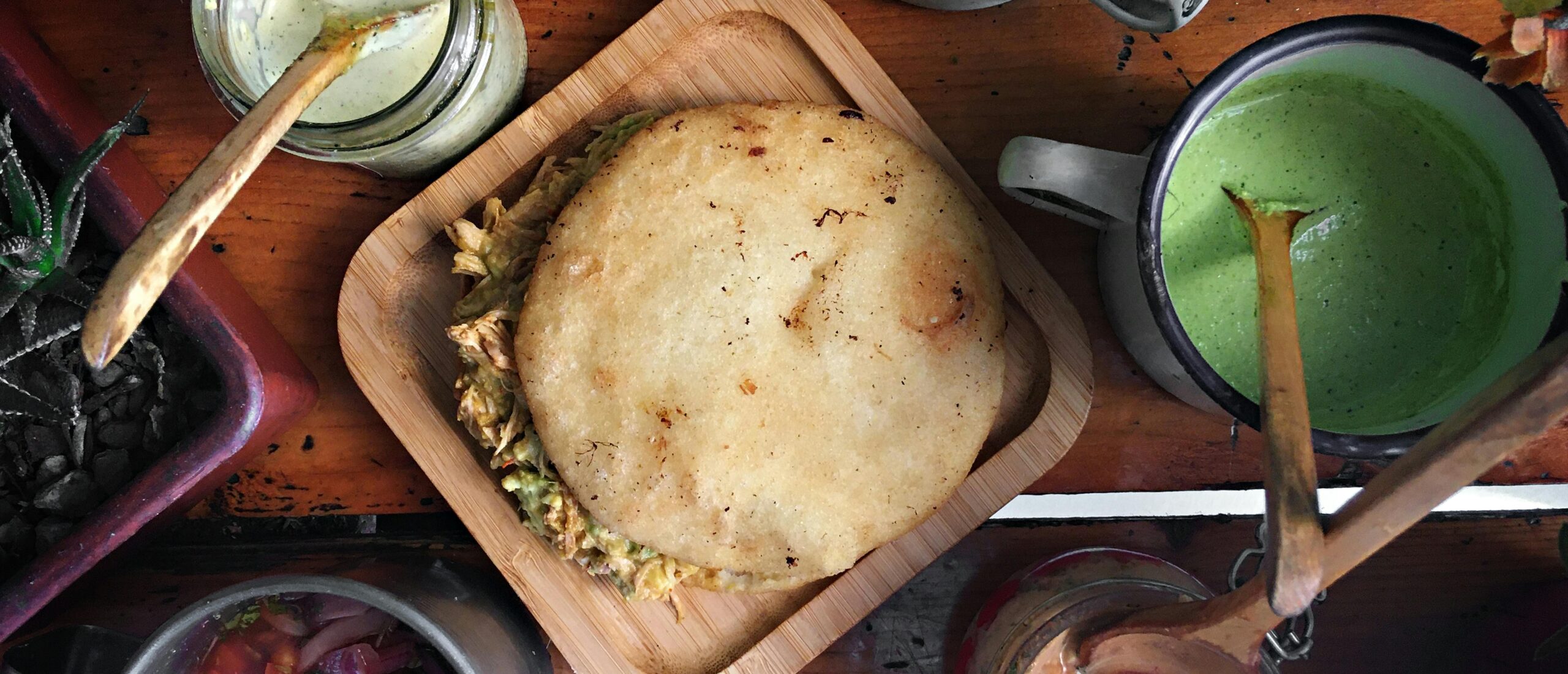
    Enjoy a taste from Colombia, courtesy of Paola Arango, our wonderful Family and Community Engagement Coordinator, and download the complete collection to enjoy with your friends and family. 

    “I decided to share this recipe because I am Colombian, and arepas are something we all enjoy daily—at breakfast, and in some places also for lunch or dinner. At home, my husband (who is from Honduras) makes delicious Baleadas (Honduran breakfast favorite) once in a while, but we are truly huge arepa fans. Personally, I love my arepas with hogao (cut tomato and onion mix) with scrambled eggs, but most of the time I enjoy them simply with cheese for breakfast.” 

    Ingredients
    Quantity: Approximately 6 arepas 

    • 2 cups precooked white cornmeal (Harina PAN, Doñarepa, or
    • Masarepa – must be precooked)
    • 2 ½ cups warm water
    • 1 tsp salt
    • 1 tbsp butter (optional, for a richer flavor)
    • ½ cup grated cheese (queso blanco, mozzarella, or quesito –
    • optional, for arepas con queso)
    • A little oil or butter for cooking

    Directions

    1. Mix the dough
      In a large bowl, dissolve the salt in warm water. Slowly add the cornmeal, mixing with your hands to avoid lumps. Add butter and cheese (if using) and knead gently until a soft dough forms. It should be smooth, moist, and not sticky. Let the dough rest for 5 minutes.
    2. Form the arepas
      Divide the dough into 6 equal balls. Flatten each ball into a disc, about ½ inch thick and 4–5 inches wide.
    3. Cook the arepas
      Heat a nonstick skillet, cast iron pan, or griddle over medium heat. Add a little oil or butter. Cook each arepa for about 5–7 minutes per side, until golden brown spots appear and they develop a slight crust.
    4. Optional finishing 

    You can serve them as-is (soft inside, crispy outside), OR, after cooking on the griddle, place them in a 400°F (200°C) oven for 5–10 minutes to make them puff a little and get more crunchy.

    1. How to Enjoy
      Plain with butter (very traditional breakfast in Colombia); stuffed with cheese, ham, or scrambled eggs; as a side for soups (ajiaco, sancocho, mondongo); with hogao (pieces of tomato & onion) on top; or any way you want! 

    Download the entire recipe collection for more ideas to bring warmth and flavor to your table!